As I work with congregations on strategic planning, one of my roles is to debunk false myths that cause congregations to make bad decisions. In this short piece, I address a few.

The Congregational Consulting Group, organized in 2014 by former consultants of the Alban Institute, is a network of independent consultants. We publish PERSPECTIVES for Congregational Leaders—thoughts on topics of interest to leaders of congregations and other purpose-driven organizations. — Dan Hotchkiss, editor
One of the most striking changes I have seen In my consulting work since 2012 is in how often congregations hire part-time employees. For everything from cleaning and building maintenance, administration, finance, program staffing, and pastoral care, I see part-timers doing work previously done by full-time staff. Some regret this; I think we should embrace it.
In fifty years of ministry, I’ve never seen a time with more opportunities for congregations to make a difference through nonpartisan, high-impact mission efforts. As the US government downsizes, new opportunities will arise for ministry in healthcare, veteran care, environment-sustaining and protection work, support for the poor, and so much more.

If ever there was an election with a clear message to the mainline churches, it has been the election of November 2024. To me, the message is: Church, get back to your core competencies, core mission, core message. Young people, especially, are already trying to improve the world. They need our help creating a theological and spiritual foundation for work they are already doing!
While many people seek out like-minded gatherings to avoid conflict, my experience as a consultant over the last 14 years tells me there is a large marketplace of people who prefer gatherings of people with diverse viewpoints who can discuss issues without screaming at each other. By creating diverse congregations, we have an opportunity to lead society out of its current polarized condition, rather than reflecting it ourselves.
I’ve been conducting focus groups with laity and clergy across the US for the past decade. A major topic is the clergy’s lack of trust in their denominations, the denominations’ lack of trust in their clergy and laity, and lay people’s lack of trust in both their clergy and denominations. Distrust is having a corrosive impact on church life today. It is at a much higher level today than it was when I first started doing focus groups.
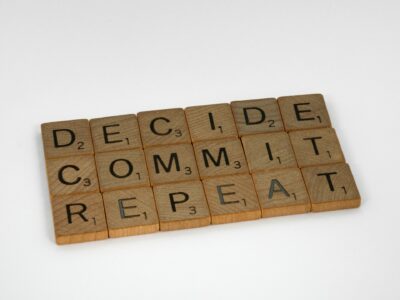
Too many congregations, presbyteries, dioceses, conferences, etc. spend enormous amounts of energy studying, debating, amending, revising, discussing, pondering decisions rather than making decisions. It is one of the reasons the millennials and Gen Zers don’t want to get involved in the church: They want to change the world, not discuss it to death. We need to demand that leaders make decisions.